March 2, 2026
Access to clean drinking water is essential for the health and well-being of communities across the globe. A reliable local drilling service is a key component in providing sustainable solutions to meet this basic need. As populations grow and climate change impacts water availability, these services become even more critical, ensuring communities have access to safe and sufficient water sources.
Local drilling services offer specialized knowledge and resources to establish water wells tailored to the needs of specific communities. They play a vital role in both urban and rural areas, particularly where municipal water supply is not feasible or available. Their expertise in identifying and tapping into underground water sources ensures that communities have consistent access to clean water.
Given the importance of water in public health, economic development, and environmental sustainability, effective management and utilization of local water sources are paramount. This article explores how reliable drilling services support these needs by focusing on community engagement, technological advancements, environmental benefits, economic impacts, challenges faced, and future trends.
The Role of Local Drilling Services in Community Water Supply
Understanding Community Water Needs
Each community has unique water needs influenced by factors like population size, geography, and local industries. Identifying these needs involves assessing current water usage, potential demand, and growth projections. Local drilling services are essential in conducing these assessments, providing insights into the type and volume of water required. By understanding these variables, drilling services can design and implement solutions that effectively meet the needs of the community. Moreover, community input and participation are crucial in this process, ensuring the solutions are tailored and beneficial for all residents.
Many communities still rely on private wells, with the Environmental Protection Agency (EPA) noting that approximately 15% of the U.S. population, equating to more than 43 million people, depend on these for their drinking water supplies. Local drilling services thus play a crucial role in managing these resources, optimizing well locations, and making use of the latest technology to ensure water quality and accessibility. They work closely with community leaders to align water resources with societal priorities, whether for residential use, irrigation, or industrial processes.
Understanding these local requirements is vital for sustainable water management, as mismatches can lead to over-exploitation or underutilization of resources. Reliability and thoroughness in assessment ensure that the right strategies are applied, helping in the construction of robust and resilient water systems. Local services can anticipate potential challenges and address them proactively, ensuring steady and reliable water availability.
Assessment of Water Sources
A critical component of a local drilling service's work is the thorough assessment of potential water sources. This involves conducting geological surveys, evaluating aquifer characteristics, and assessing the environmental impact of drilling activities. Accurate identification of reliable water sources minimizes the risks of well failure and water contamination. By leveraging hydrogeological expertise, drilling services can map out aquifers and predict water availability and quality.
These assessments are conducted using state-of-the-art technology such as ground-penetrating radar, electrical resistivity, and seismic tests. Each of these tools provides valuable data that helps in pinpointing the exact locations for well installation. By investing in such sophisticated methodologies, local drilling services ensure that communities have access to clean water, rare in many regions, with reduced risks of contamination or depletion.
Additionally, local drilling services act as custodians of water resources by monitoring their usage and health. By regularly evaluating water levels and quality, they can advise on reasonable extraction rates to prevent aquifer depletion. This proactive approach guarantees long-term water sustainability, a necessary factor in the built environment and natural ecosystems coexisting harmoniously.
Designing Sustainable Wells
Designing a well involves various considerations, starting with understanding the geology and hydrology of the region. A reliable local drilling service examines soil composition, water table levels, and the sustainability of water flow. These factors inform the design of wells, determining their depth, casing type, and pumping mechanisms. This tailored approach ensures that the wells remain functional and efficient for decades, adapting to changing water pressures and usage demands.
Furthermore, the design phase incorporates environmental and social considerations to minimize any negative impacts on the landscape and local communities. Drilling services work to strike a balance between water extraction and ecological protection, ensuring no adverse effects on surrounding ecosystems. Eco-friendly practices, like lining wells with sustainable materials and employing renewable energy for water extraction, further bolster environmental health.
Another critical aspect of sustainable well design is ensuring inclusivity and local participation. Engaging with community members during the design phase fosters a sense of ownership and ensures that the final output meets their specific needs and expectations. Education and skills transfer during the design and development stages empower communities to take charge of maintaining and safeguarding their water resources for future generations.
Collaboration with Local Authorities
Local drilling services work hand in hand with local governments and regulatory bodies to ensure that water infrastructures adhere to safety standards and legal requirements. This collaboration is not only about compliance but also about maximizing the synergy between public policies and private efforts for more effective resource management. Government bodies provide guidelines and standards that ensure public health safety and environmental conservation.
Building trust with local authorities also involves contributing to regional data repositories about water resources, consumption patterns, and well performance. Open communication and data sharing help authorities monitor water sources, maintain drought contingency plans, and prepare for future demands. Drilling services that collaborate openly prove themselves to be vital partners in community development and resilience planning. According to the EPA, around 15% of the U.S. population, which is more than 43 million people, depend on private wells for their drinking water supply.
The role of local authorities is also crucial in fostering public awareness initiatives about the sustainable use and conservation of water resources. By collaborating with drilling services, public bodies can ensure that communities receive the necessary education for water conservation and safety practices. Such partnerships help in constructing adaptive systems resilient to anticipated climate-related stresses.
Community Engagement and Education
Local drilling services recognize the importance of community engagement in guaranteeing the success and sustainability of water projects. Engaging community members in the planning and execution phases fosters awareness and promotes collaborative stewardship of water resources. Active participation inspires ownership, ensuring that the infrastructure constructed is utilized effectively and maintained regularly for continuous function.
Educational programs organized in partnership with municipalities empower residents with the knowledge and skills needed to manage and safeguard water resources. These initiatives teach locals about the importance of water conservation, safe water storage, and efficient water use practices. Understanding the critical role each individual plays helps communities develop a broader perspective on sustaining their water supplies and appreciating the work done by local drilling services.
Ultimately, community engagement fosters long-term relationships between drilling services and the residents they serve. By prioritizing transparency and open communication, drilling companies build trust and strengthen community ties, encouraging collaborative problem-solving should challenges arise. Sustainable water management becomes a shared responsibility, reinforcing widespread commitment to protecting and preserving local water resources.
Technological Advancements in Drilling Techniques
Modern Drilling Equipment
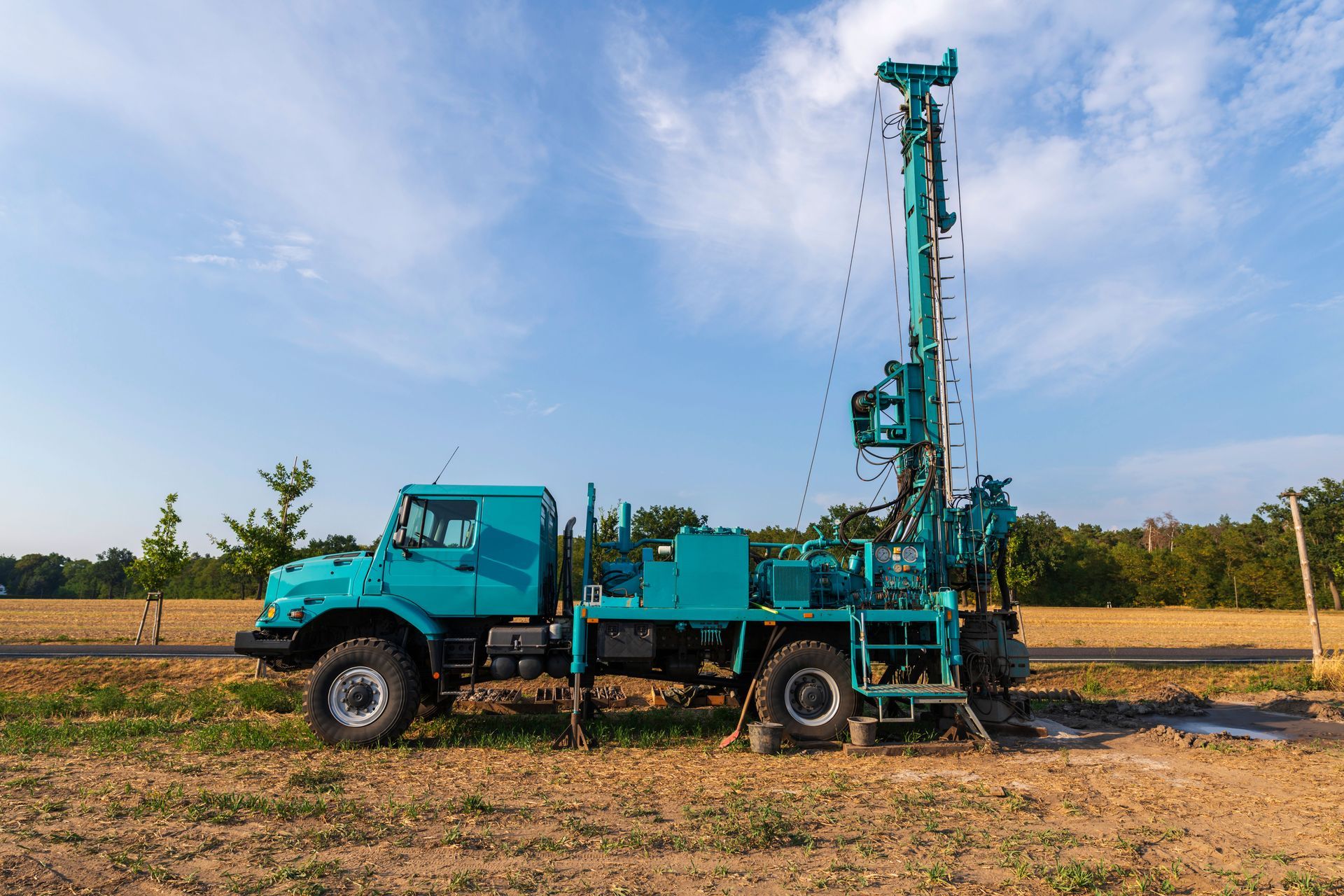
The advent of modern drilling equipment has revolutionized the water well drilling industry by improving the efficiency and effectiveness of their operations. Over the years, technological advancements have led to the development of machinery capable of boring through diverse geological formations, speeding up projects and reducing associated costs. Precision in drilling has been enhanced, reducing the likelihood of errors that may compromise well function and water quality. Be sure to reach out to DFW Total Well Solutions today for more information on our professional local drilling service!