March 31, 2026
Access to clean and reliable water is becoming an increasingly important concern for communities, businesses, and property owners across the United States. As population growth, climate variability, and infrastructure challenges place added pressure on traditional water systems, many are looking for alternative solutions that provide long-term reliability. One approach gaining attention is tapping into underground water sources through advanced drilling methods.
Deep water wells offer a dependable way to access groundwater that is less affected by surface-level conditions such as drought, contamination, or seasonal fluctuations. This makes them especially appealing for rural properties, agricultural operations, and even residential developments seeking a consistent water supply.
According to Market Growth Reports, the global water well drilling market was valued at $5,354.05 million in 2025. This growth reflects the increasing demand for solutions that support sustainable water access in a changing environment. In this article, we will explore why deep water well drilling is a growing solution for sustainable water access.
Addressing Increasing Water Scarcity Challenges
Water scarcity is no longer limited to arid regions. Many areas across the country are experiencing periodic shortages due to changing weather patterns, overuse of surface water, and aging infrastructure. As a result, relying solely on municipal water systems is becoming less practical in certain locations.
Deep water wells provide access to aquifers located far below the surface, where water is often more stable and less vulnerable to short-term environmental changes. This added reliability makes deep water well drilling an attractive option for those seeking greater independence from fluctuating water supplies.
By tapping into deeper groundwater reserves, property owners can reduce their reliance on strained public systems while maintaining access to a consistent source of water.
Enhancing Long-Term Water Reliability
One of the key advantages of deeper wells is their ability to deliver consistent water output over time. Shallow wells are more susceptible to seasonal changes, drought conditions, and contamination from nearby activities. In contrast, deeper aquifers tend to maintain more stable water levels.
This long-term reliability is especially valuable for agricultural operations that depend on steady irrigation, as well as homeowners who want peace of mind knowing their water source will not easily run dry.
Deep water well drilling supports this stability by reaching aquifers that are less influenced by surface conditions, making it a dependable choice for long-term planning.
Supporting Sustainable Resource Management
Sustainability is a growing priority for many individuals and industries. Accessing groundwater responsibly can be part of a broader strategy to manage natural resources more effectively.
Deep wells often draw from aquifers that recharge over time, particularly when managed carefully and used in conjunction with conservation practices. This approach can reduce pressure on surface water sources such as rivers and lakes, helping to preserve those ecosystems.
When combined with efficient water use practices, deep water well drilling can contribute to a more balanced and sustainable approach to water management.
Improving Water Quality and Safety
Water quality is a major concern for anyone who relies on a private or public water supply. Surface water sources are more likely to be exposed to pollutants, including agricultural runoff, industrial waste, and other contaminants.
Deeper groundwater sources are naturally filtered through layers of soil and rock, which can help improve water quality. While treatment and testing are still important, water from deeper wells is often less prone to contamination compared to shallow sources.
This natural filtration process is another reason why deep water well drilling is gaining popularity among those seeking cleaner and safer water.
Reducing Dependence on Municipal Systems
Municipal water systems play a vital role in providing water to communities, but they are not without limitations. Infrastructure issues, maintenance disruptions, and rising costs can all impact the reliability and affordability of public water supplies.
By installing a deep well, property owners can reduce their dependence on municipal systems and gain greater control over their water usage. This independence can be particularly valuable in rural or remote areas where public infrastructure may be limited.
Deep water well drilling offers a practical solution for those who want a more self-sufficient approach to water access.
Adapting to Climate Variability and Drought
Climate variability is contributing to more frequent and severe drought conditions in many regions. These changes can significantly impact surface water availability and strain existing resources.
Deep aquifers are generally less affected by short-term weather patterns, making them a more resilient option during periods of drought. This resilience allows users to maintain water access even when surface sources are limited.
As climate challenges continue to evolve, deep water well drilling provides a forward-thinking solution that supports adaptability and long-term water security.
Meeting the Needs of Expanding Populations
As populations grow, so does the demand for water. Urban expansion, new housing developments, and increased agricultural production all require reliable water sources to support their growth.
Deep wells can help meet these demands by providing additional access to groundwater resources. This is particularly important in areas where existing water systems are already operating near capacity.
Deep water well drilling enables communities and developers to plan for growth without overburdening existing infrastructure.
Offering Cost Efficiency Over Time
While the initial investment in a deep well can be significant, many property owners find that it offers cost savings over time. Monthly water bills, rising utility rates, and service fees can add up, especially for high-usage properties.
A private well can reduce or eliminate many of these ongoing costs, making it a financially attractive option in the long run. Additionally, reliable access to water can help prevent costly disruptions in agricultural or business operations.
Deep water well drilling represents an investment in both sustainability and long-term financial stability.
Supporting Agricultural and Industrial Applications
Agriculture and industry rely heavily on consistent water access. From irrigation to manufacturing processes, water is a critical resource that directly impacts productivity.
Deep wells provide a dependable supply that supports these operations, even during periods of limited rainfall or water restrictions. This reliability can improve efficiency and reduce the risk of interruptions.
For farms, ranches, and industrial facilities, deep water well drilling offers a practical way to maintain operations while supporting responsible water use.
Encouraging Technological Advancements in Drilling
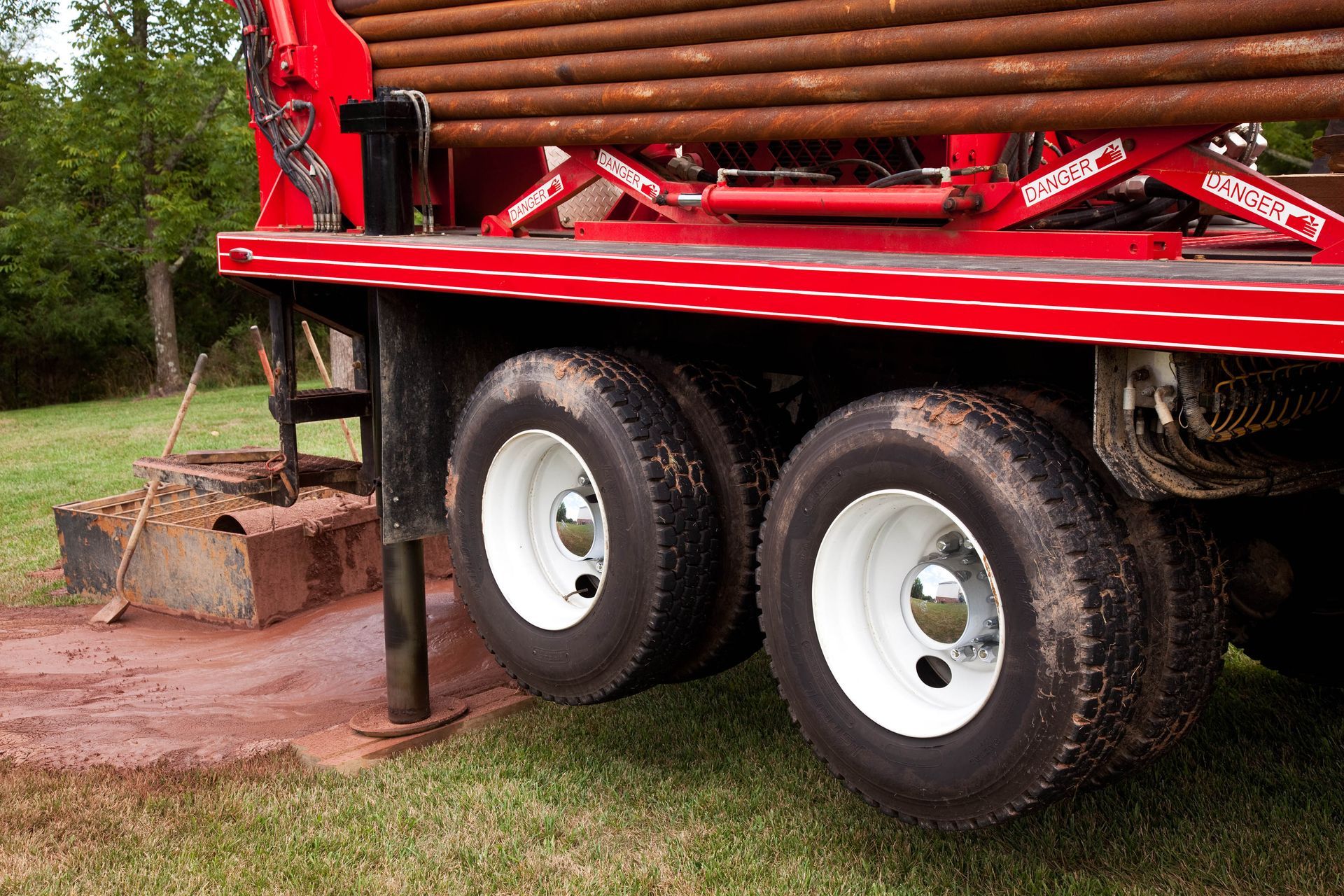
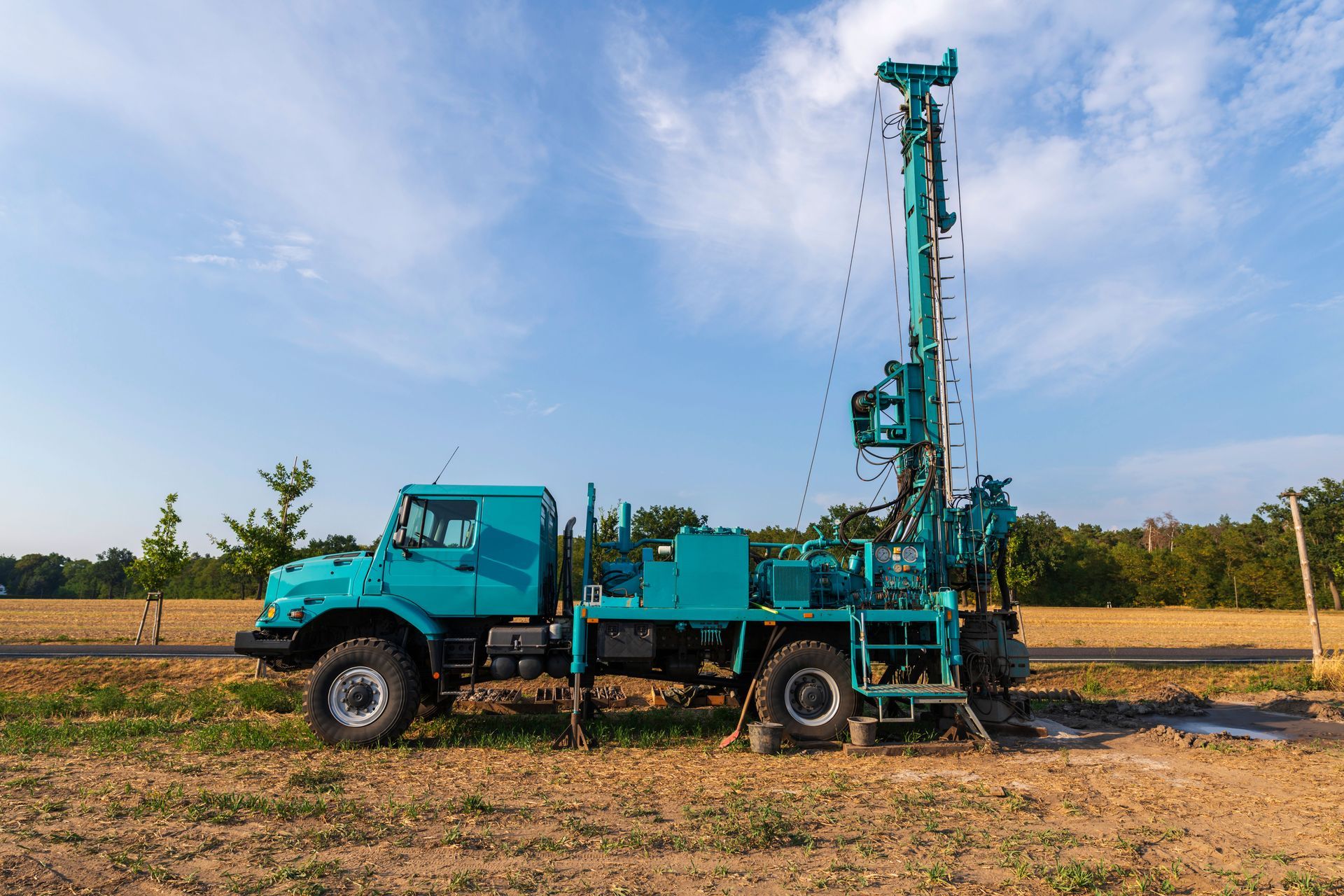
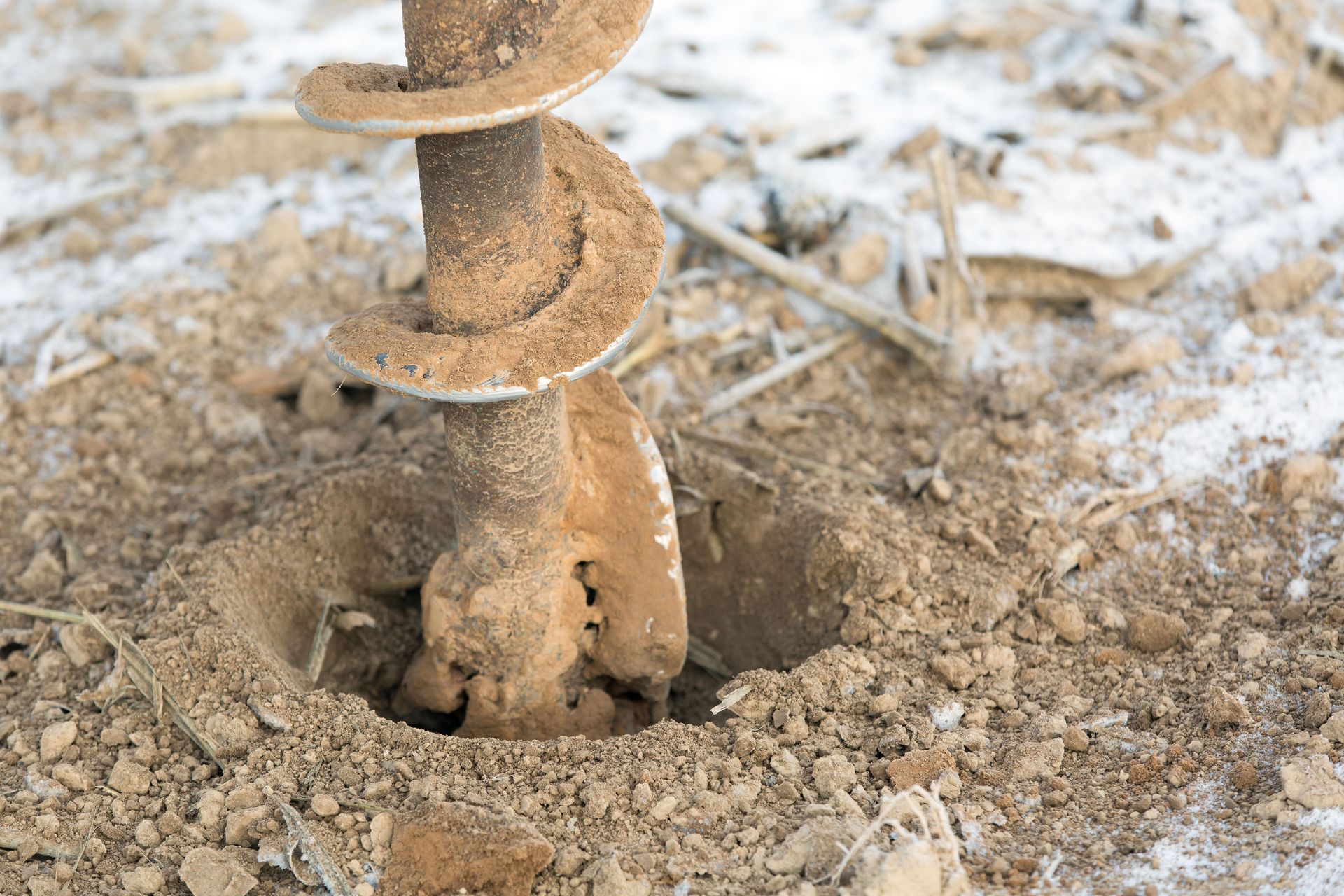
Advances in drilling technology have made it easier and more efficient to access deeper groundwater sources. Modern equipment allows for greater precision, reduced environmental impact, and improved safety during the drilling process.
These innovations have contributed to the growing popularity of deep wells, making them more accessible to a wider range of users. Improved techniques also help optimize well performance and extend the lifespan of the system.
As technology continues to evolve, deep water well drilling is likely to become an even more viable option for sustainable water access.
The need for reliable, sustainable water solutions is more pressing than ever. From addressing water scarcity to supporting growing populations, deep wells offer a practical and forward-thinking approach to securing long-term water access. Their ability to provide consistent supply, improved water quality, and greater independence from public systems makes them an appealing choice for a wide range of applications.
Deep water well drilling continues to gain momentum as more individuals and industries recognize its benefits. By investing in this solution, property owners can take a proactive step toward managing water resources more effectively while preparing for future challenges. If you are exploring options for dependable and sustainable water access, contact DFW Total Well Solutions today to learn how a deep well can support your needs.